

Key Takeaways
- Retail brand management ensures consistent brand experiences across physical stores, online platforms, and marketing campaigns through centralized asset control and clear guidelines.
- Successful retail branding requires coordinated visual identity, unified customer messaging, and streamlined asset distribution to maintain consistency at scale.
- Modern retail operations benefit from digital asset management platforms that enable real-time collaboration, version control, and brand guideline enforcement across locations.
- Effective retail brand management drives customer recognition, operational efficiency, and measurable business outcomes, including increased sales and customer loyalty.
- Tools like BrandLife simplify multi-location brand management by centralizing assets, automating compliance, and enabling teams to execute campaigns faster without sacrificing quality.
Walk into any Apple Store worldwide, visit their website, or see their advertising—the minimalist aesthetic, premium materials, and "think different" philosophy remain perfectly consistent.
This is retail brand management in action.
Retail brand management coordinates every visual element, message, and customer interaction across your entire retail ecosystem. It ensures a customer who discovers your brand through Instagram, visits your flagship store, and then browses your website, encountering the same compelling brand story at every step.
However, this coordination becomes exponentially more challenging as retail operations grow. Managing brand consistency across dozens of locations, multiple marketing teams, and various digital platforms requires more than good intentions—it demands systematic approaches and sophisticated tools.
In today's hyper-competitive retail landscape, brand management has evolved from a marketing function to a critical business discipline that directly impacts revenue, customer loyalty, and market position. According to recent industry research, retailers with strong, consistent brand management see 23% higher customer retention rates and 18% greater revenue growth compared to competitors with inconsistent brand experiences.
In this guide, we go into details about how to build retail brand management from a solid strategy to seamless execution.
What is Retail Brand Management?
As noted, retail brand management is the strategic process of maintaining a consistent brand identity, messaging, and visual presentation across all retail touchpoints and locations.
It encompasses everything from in-store displays and packaging to digital marketing campaigns and customer service interactions.
Core components of retail brand management include:
- Visual identity coordination ensures logos, colors, typography, and imagery remain consistent whether customers visit your flagship store, browse your website, or see your social media posts. This creates immediate brand recognition regardless of the touchpoint.

- Messaging alignment maintains consistent brand voice, value propositions, and key messages across all customer communications. Whether a customer reads your website copy, speaks with in-store staff, or receives marketing emails, the brand personality remains unified.
- Asset distribution systems provide teams across different locations and departments with access to current, approved brand materials. This prevents the use of outdated logos or off-brand content that can dilute brand impact.
- Campaign execution coordination enables simultaneous rollouts of promotions, seasonal campaigns, and product launches across multiple channels and locations while maintaining brand standards.
Take Target's approach to retail brand management. Whether you encounter their brand through their mobile app, visit a physical store, or see their advertising, the clean aesthetic, red branding, and friendly tone remain perfectly consistent.
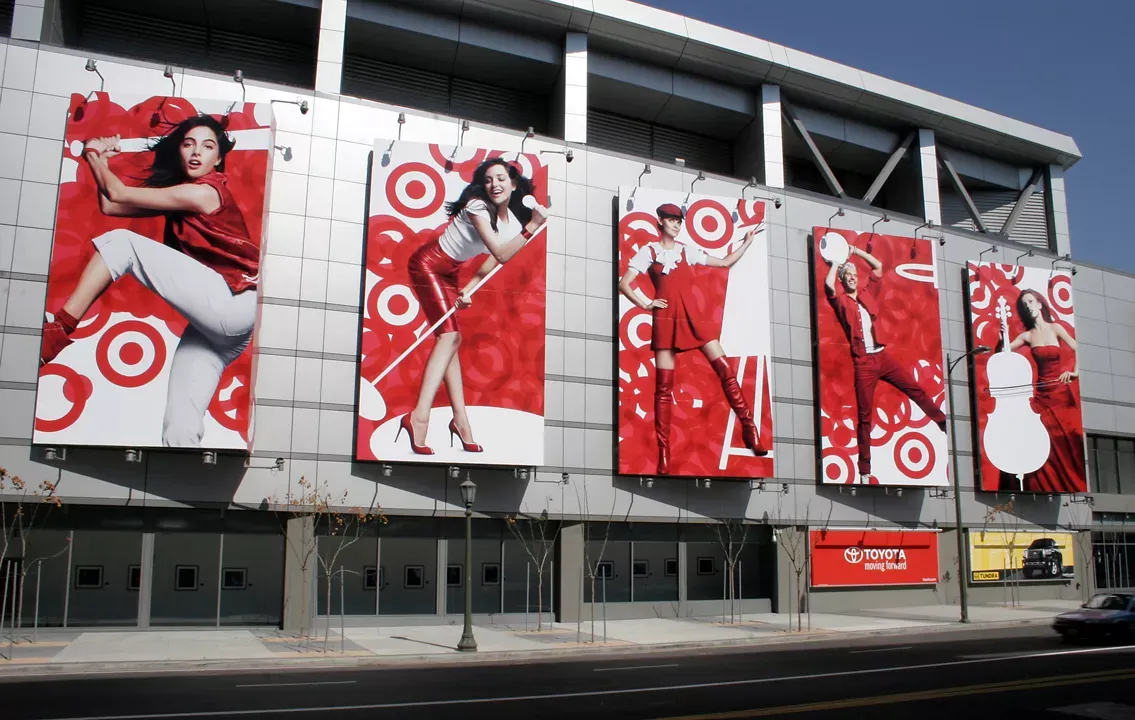
This coordination doesn't happen by accident—it requires systematic brand management across every team and touchpoint.
Key Elements of Retail Brand Management
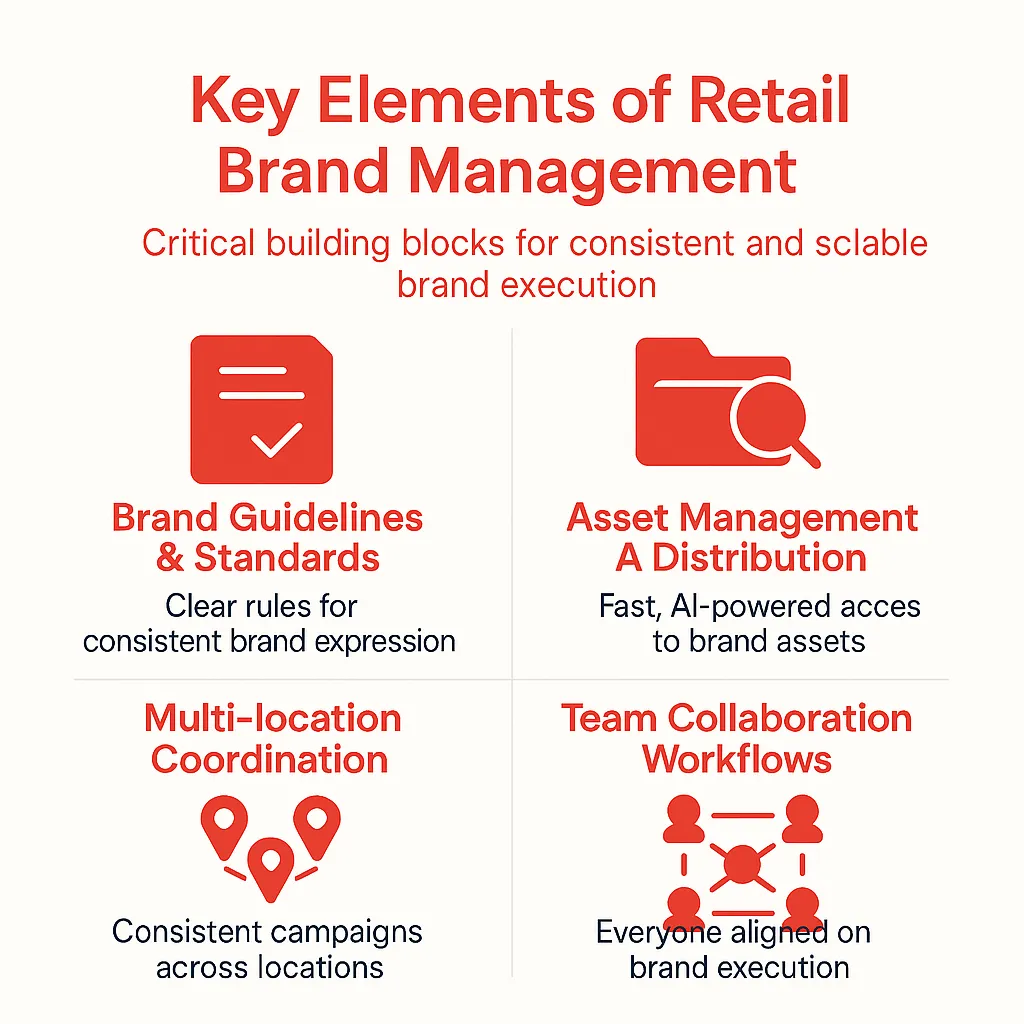
Effective retail brand management operates through interconnected elements that work together to create seamless brand experiences.
Brand guidelines and standards
Comprehensive brand guidelines serve as the foundation for all retail brand management activities. These guidelines specify exactly how brand elements should be used across different contexts, from in-store signage specifications to social media post requirements.

Modern brand guidelines go beyond static PDF documents. They include interactive examples, usage scenarios for different retail environments, and clear approval processes for customization requests.
This ensures teams can execute campaigns quickly while maintaining brand integrity.
Asset management and distribution
Centralized asset management systems offer AI-powered asset tagging and searching and provide teams with instant access to current, approved brand materials. Instead of searching through email chains or outdated shared folders, retail teams can locate the exact assets they need for their specific campaigns or locations.

Also, version control becomes critical in retail environments where teams across multiple locations might be working on simultaneous campaigns. When headquarters updates a logo or launches a new product campaign, every location needs immediate access to the latest materials.
Multi-location coordination
Retail chains require specialized coordination mechanisms to ensure brand consistency across diverse locations and regional markets. This includes standardized processes for campaign rollouts, local customization protocols, and performance monitoring across locations.
Successful multi-location coordination balances brand consistency with local market needs. Corporate brand standards remain non-negotiable, while approved customization options allow locations to adapt messaging for local audiences without compromising brand integrity.
Team collaboration workflows
Retail brand management requires seamless collaboration between corporate marketing teams, regional managers, local store staff, and external partners. Clear workflows ensure everyone understands their role in maintaining brand standards while enabling efficient campaign execution.
These workflows include approval processes for local marketing initiatives, feedback mechanisms for campaign performance, and communication channels that keep all stakeholders informed about brand updates and new campaign requirements.
Brand Governance and Compliance
Brand governance establishes the frameworks, processes, and accountability structures that ensure consistent brand implementation across the organization. This includes defining who has authority to make brand decisions, establishing approval workflows for brand materials, and creating mechanisms to monitor compliance with brand standards.
Strong governance prevents brand fragmentation by providing clear guidance on what's permissible and what's not when implementing the brand across different contexts. It balances the need for consistency with appropriate flexibility, particularly for retailers operating across diverse markets or through franchise models.
Digital Brand Presence
A retailer's digital brand presence encompasses all online touchpoints where customers encounter the brand—from e-commerce platforms and mobile apps to social media profiles and email communications. This component has grown increasingly important as digital channels account for a larger portion of the customer journey.
Effective digital brand management ensures consistent visual identity, messaging, and experience across all digital platforms while optimizing for the unique capabilities and constraints of each channel. It recognizes that digital touchpoints often serve as the first or most frequent point of contact with customers, making them critical to brand perception.
Benefits of effective retail brand management

Strategic retail brand management delivers measurable business outcomes that directly impact revenue, operational efficiency, and long-term brand equity.
Enhanced customer recognition and loyalty
Consistent brand experiences across all touchpoints increase customer recognition by up to 80%, according to retail industry research.
When customers encounter the same brand personality, visual identity, and messaging quality whether shopping online or in-store, they develop stronger emotional connections with the brand.
The best part is that this recognition translates into customer loyalty. Shoppers who experience consistent branding are 3.5x more likely to make repeat purchases and recommend the brand to others.
Operational efficiency gains
Centralized brand management systems reduce the time retail teams spend searching for assets, recreating materials, and coordinating approvals. Teams report faster campaign execution when they have instant access to approved brand materials and clear usage guidelines.
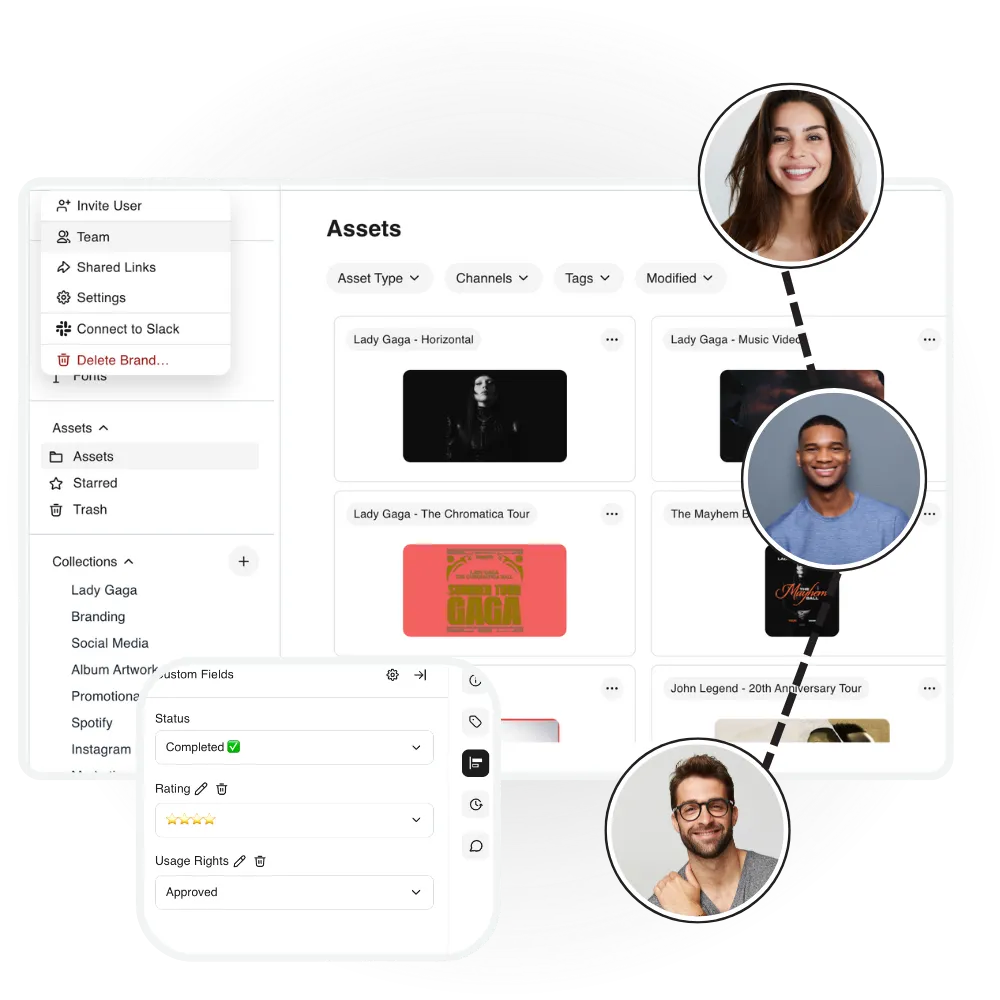
Regional managers can launch local promotions faster, and corporate teams can roll out company-wide campaigns with confidence that execution will be consistent across all locations.
Improved campaign performance
When customers see coordinated campaigns across social media, in-store displays, and digital marketing, the unified message creates a stronger impact and better recall.
Consistent campaign execution also enables more accurate performance measurement.
Reduced brand risk and compliance issues
Systematic brand management prevents costly mistakes like using outdated logos, off-brand messaging, or unauthorized design modifications that can damage brand reputation.
Clear guidelines and controlled asset access ensure teams always use approved materials.
For retailers operating in regulated industries or working with licensed content, brand management systems provide audit trails and compliance documentation that protect against legal and regulatory issues.
Challenges in retail brand management

Retail environments present unique brand management challenges that require specialized approaches and tools.
Multi-location complexity
Managing brand consistency across dozens or hundreds of retail locations creates exponential complexity. Each location may have different staffing levels, technical capabilities, and local market considerations that affect brand execution.
Regional managers often lack direct control over day-to-day brand implementation at individual stores, while store-level staff may not have the design expertise to execute branded materials correctly.
Rapid campaign turnaround requirements
Retail environments demand quick responses to market opportunities, seasonal changes, and competitive pressures. Holiday promotions, flash sales, and product launches require coordinated brand execution across all channels within tight timeframes.
Traditional brand management approaches that rely on lengthy approval processes or complex asset creation workflows can't keep pace with retail speed requirements.
Third-party retailer coordination
Many retail brands sell through third-party retailers, marketplaces, and distributors that have their own operational constraints and brand presentation requirements.
Maintaining brand standards across these external partnerships requires different approaches than direct retail location management.
Technology integration complexity
Retail operations typically involve multiple technology platforms for inventory management, point-of-sale systems, e-commerce platforms, and marketing automation.
Integrating brand management workflows with these existing systems can be technically complex and resource-intensive.
The fundamentals of retail brand management
Successful retail brand management builds on three foundational practices that ensure consistent brand execution while supporting operational efficiency.
Setting brand guidelines
Effective retail brand guidelines go beyond basic logo usage rules to address the specific scenarios retail teams encounter daily. They include specifications for in-store signage, digital marketing materials, packaging requirements, and customer communication templates.
- Visual identity specifications cover logo usage across different contexts, color palette applications for various retail environments, typography choices for different materials, and imagery style guidelines.
- Messaging frameworks provide approved language for different customer touchpoints and product descriptions that align with brand positioning.
- Implementation examples show exactly how guidelines apply in real retail scenarios, from window displays to social media posts.
Training retail staff
Retail team training ensures everyone understands their role in maintaining brand standards while providing practical skills for daily brand implementation.
- Brand education components help teams understand why brand consistency matters.
- Practical implementation training provides hands-on experience with brand tools and systems, walking through common scenarios teams will encounter.
- Ongoing reinforcement keeps brand standards top of mind through regular updates.
Monitoring brand health
Systematic brand monitoring ensures retail brand management efforts achieve their intended results while identifying opportunities for improvement.
- Consistency audits regularly review brand implementation across different locations and channels.
- Performance measurement tracks how brand consistency impacts business metrics like customer recognition, campaign performance, and sales results.
- Feedback collection gathers input from retail teams about brand guideline usability, identifies obstacles to consistent brand execution, and captures suggestions.
Types of Retail Brand Management
Retail brand management approaches vary significantly based on business model, distribution strategy, and market positioning. Understanding these different types helps retailers develop appropriate brand management systems for their specific context.
By Distribution Channel
Brick-and-Mortar Brand Management
Physical store environments present unique brand management challenges and opportunities:
- Environmental design becomes a primary brand expression vehicle
- Staff training and behavior directly impact brand experience
- Sensory elements (lighting, music, scent) play important roles
- Visual merchandising and fixture standards require regular updates
- Local market adaptation may be necessary while maintaining core standards
E-Commerce Brand Management
Digital-only or digital-first retailers focus brand management efforts on:
- User interface and experience design that reflects brand personality
- Product photography and description standards
- Digital customer service protocols and response frameworks
- Email and notification communication guidelines
- Social media presence and engagement approaches
Omnichannel Brand Management
Retailers operating across physical and digital channels require integrated approaches:
- Channel-appropriate expressions of the same brand promise
- Consistent customer recognition across touchpoints
- Seamless service experiences regardless of channel
- Unified promotional and pricing strategies
- Integrated content and asset management systems
By Business Model
Direct-to-Consumer (DTC) Brand Management
Brands that own the entire customer relationship focus on:
- Distinctive, consistent brand voice across all communications
- Packaging and unboxing experiences as brand touchpoints
- Community building and direct customer relationships
- First-party data collection and personalization
- Brand storytelling and values communication
Wholesale/Multi-Brand Retail Management
Retailers selling multiple brands must balance:
- Creating a distinctive store brand while showcasing product brands
- Developing consistent service approaches across product categories
- Curating brand assortments that reflect the store's positioning
- Creating proprietary experiences that differentiate from direct brand channels
- Developing private label programs with consistent brand standards
Franchise Brand Management
Franchise retail systems require specialized approaches:
- Detailed brand standards manuals and implementation guides
- Training programs for franchisees and their staff
- Compliance monitoring and enforcement mechanisms
- Local marketing program frameworks with brand controls
- Balancing system-wide consistency with franchisee entrepreneurship
By Store Format
Flagship Brand Management
Flagship locations serve as brand showcases and require:
- Premium expression of all brand elements
- Innovation and experiential components
- Higher staffing levels and specialized training
- Flexible spaces for events and brand activations
- Measurement approaches that account for brand-building role
Standard Store Brand Management
Core store network management focuses on:
- Efficient implementation of brand standards
- Scalable visual merchandising systems
- Consistent operational execution
- Localization within clear brand frameworks
- Regular refreshes to maintain brand relevance
Small Format/Express Brand Management
Compact store formats require:
- Prioritization of essential brand elements
- Simplified visual systems that maintain brand recognition
- Focused product assortments that represent the brand
- Efficient operations that deliver core brand promises
- Clear connection to the broader brand ecosystem
Understanding these different types of retail brand management helps organizations develop appropriate systems and processes for their specific business model and growth strategy. The most successful retailers adapt their brand management approach as they expand into new channels, formats, or business models while maintaining consistent delivery of their core brand promise.
Strategies and tactics for retail brand success
Advanced retail brand management strategies enable sophisticated brand execution that drives competitive advantage while maintaining operational efficiency.
Omnichannel brand coordination
Sophisticated retail brands coordinate experiences across online and offline channels to create seamless customer journeys. This coordination ensures customers receive consistent brand experiences whether they research products online, visit physical stores, or engage through social media.
- Cross-channel campaign integration synchronizes messaging, visuals, and promotions across all customer touchpoints.
- Customer journey mapping ensures each interaction reinforces the overall brand experience while moving customers toward purchase decisions.
- Channel-specific optimization tailors brand presentation for various platforms while maintaining core brand consistency, acknowledging that effective Instagram content differs from in-store signage.
Regional customization within brand standards
Successful retail brands balance consistency with local market relevance through structured customization approaches.
- Approved customization frameworks define which brand elements can be adapted for local markets and which must remain consistent.
- Template-based localization provides pre-approved design templates that allow quick local customization of content.
Performance optimization through brand analytics
Data-driven retail brand management uses analytics to optimize brand performance and guide strategic decisions. This approach moves beyond basic compliance; here’s how:
- Brand performance metrics track customer recognition, brand recall, and preference across different locations and channels.
- Campaign attribution analysis measures how brand consistency impacts campaign performance.
- Competitive brand monitoring tracks how brand performance compares to competitors across different markets and channels.
Best Practices for Retail Brand Management
Develop Cross-Functional Brand Champions
Create a network of brand champions across different departments and locations who understand brand standards deeply and can advocate for consistent implementation. These champions become the front-line resources for questions about brand application, provide feedback on practical implementation challenges, and help identify opportunities to strengthen brand expression.
Establish Brand Governance Committees
Form cross-functional committees that meet regularly to review brand implementation, address emerging challenges, and make decisions about brand evolution. These committees typically include representatives from marketing, operations, merchandising, store design, and digital teams to ensure all aspects of the customer experience are considered in brand decisions.
Create Flexible Implementation Systems
While brand standards must be clear and consistent, implementation systems should accommodate the practical realities of different retail environments. Develop tiered implementation approaches that maintain core brand elements while allowing appropriate adaptation for different store formats, market conditions, or seasonal requirements.
Invest in Ongoing Brand Education
Brand management isn't a one-time training event but requires continuous education as teams change, the brand evolves, and new channels emerge. Develop regular brand training programs, refresher courses, and practical workshops that help teams understand not just what the brand standards are, but why they matter and how they contribute to business success.
Leveling up your retail brand management strategy
Modern retail brand management leverages specialized tools and. The right tech stack enables retail teams to execute excellent brand experiences without overwhelming operational complexity.
Digital asset management for retail operations
Centralized digital asset management systems transform how retail teams access, organize, and deploy brand materials across multiple locations and channels. Here are the notable features:
- Multi-brand workspace capabilities enable retail companies managing multiple brands or sub-brands to organize assets separately while maintaining centralized oversight. Each brand maintains its own asset library, guidelines, and approval workflows while corporate teams retain visibility across all brands.

- Real-time collaboration features allow teams across different locations to work together on campaigns, provide feedback on creative materials, and coordinate campaign launches without lengthy email chains or version control confusion.
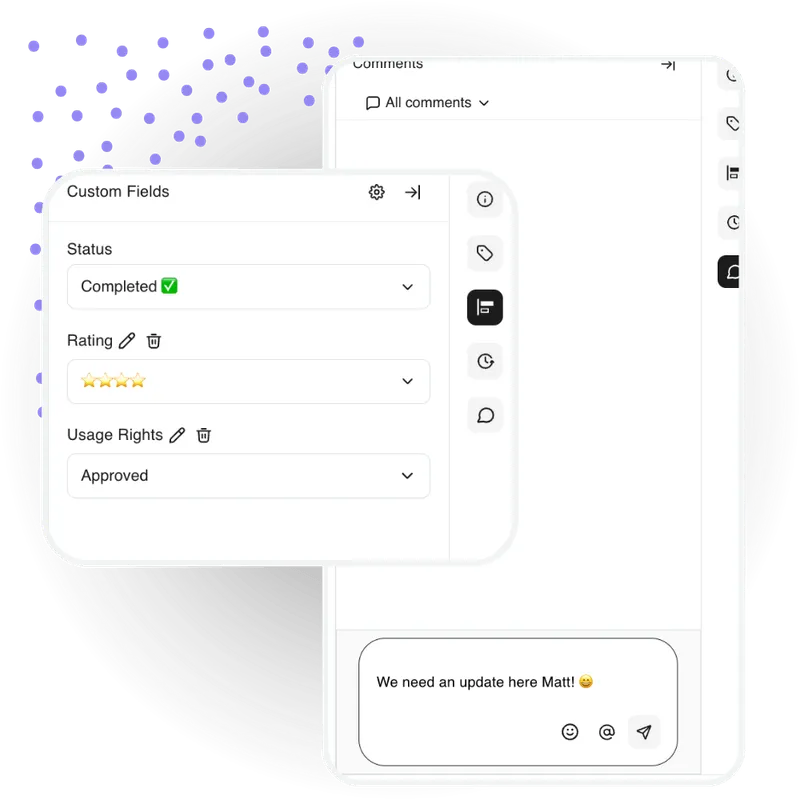
- Automated version control ensures teams always access the latest approved materials while maintaining historical versions for reference. When corporate marketing updates campaign materials, all locations automatically receive access to new versions while outdated materials are archived.
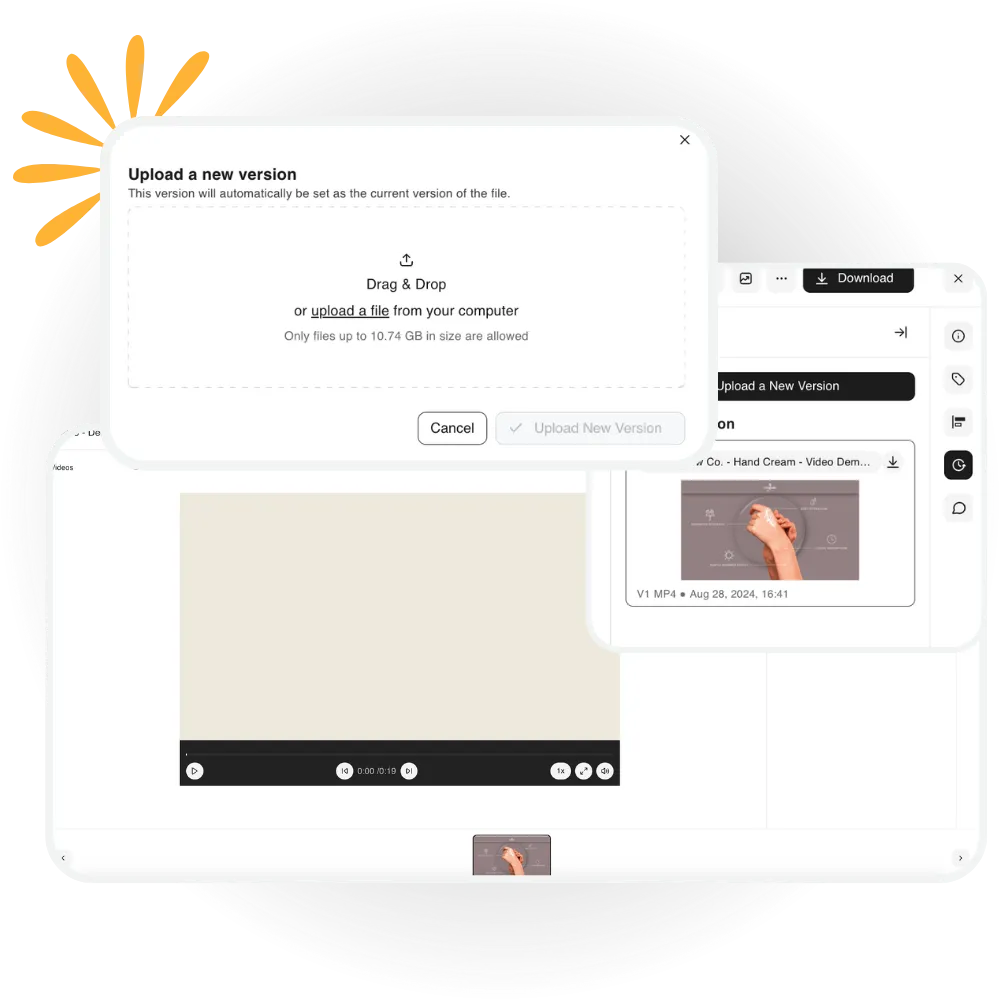
BrandLife's approach to retail brand management exemplifies these capabilities. The platform's multi-brand workspace allows retail companies to manage different store brands, seasonal campaigns, and regional variations within a single system while maintaining complete brand consistency.
Integration with retail marketing workflows
Effective retail brand management platforms integrate seamlessly with existing marketing and operational systems rather than requiring complete workflow overhauls.
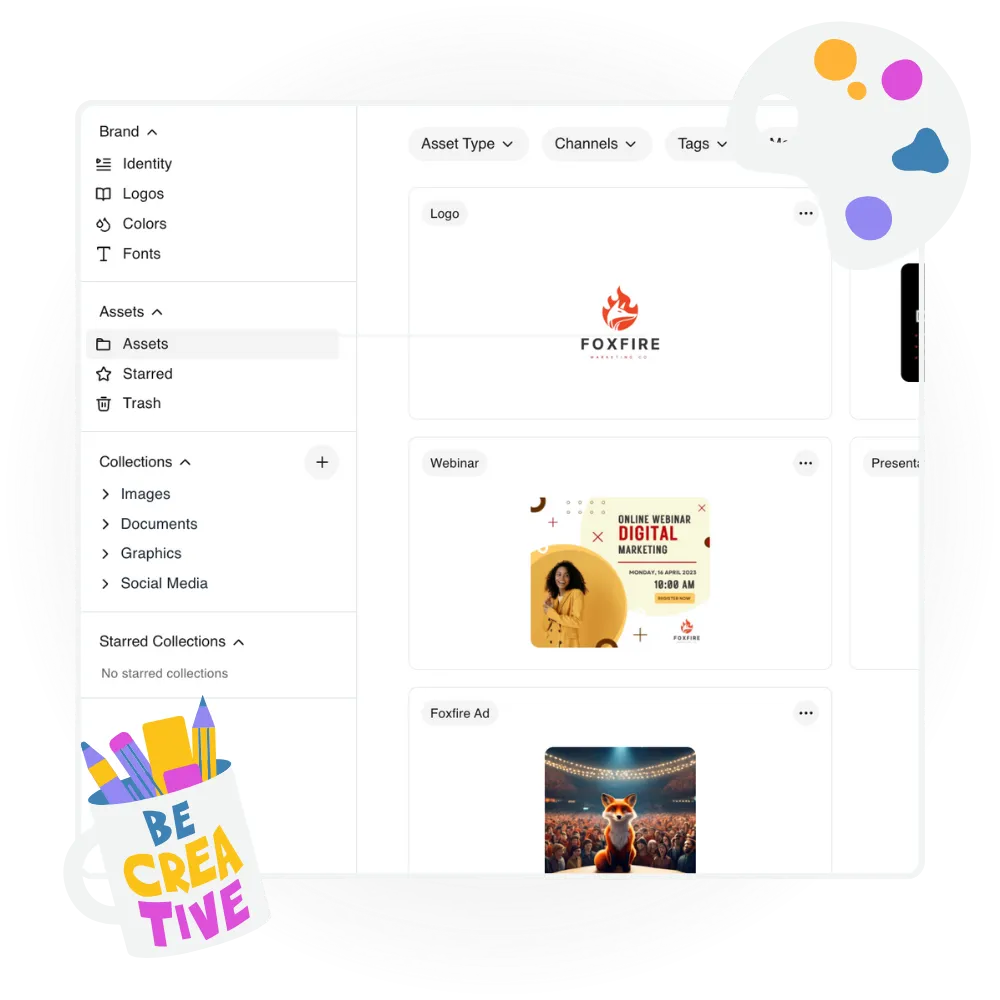
These integrations enable teams to work within familiar processes while gaining enhanced brand management capabilities.
- Marketing automation connections allow approved brand assets to flow directly into email campaigns, social media scheduling tools, and advertising platforms.
- E-commerce platform integration enables product images, descriptions, and promotional materials to maintain brand consistency.
- Campaign management workflow support provides structured processes for launching coordinated campaigns across multiple locations.
Scalable brand governance systems
As retail operations grow, brand management systems must scale to support additional locations, team members, and complexity without compromising brand quality or operational efficiency.
- Permission-based access controls ensure team members can access the brand materials relevant to their role and location.
- Automated compliance monitoring tracks brand implementation across locations and channels, flagging potential issues before they impact customer experiences.
- Performance analytics and reporting provide insights into brand execution effectiveness across different locations and campaigns.
Implementation results and ROI
The digital asset management benefits for retail operations extend beyond simple file storage to encompass comprehensive brand management capabilities that drive business results.
Companies implementing structured retail brand management approaches report significant operational improvements. Teams reduce asset search time by up to 50%, campaign rollout speed increases by 25%, and brand consistency scores improve measurably across all touchpoints.
For retail brands ready to streamline their business operations through better brand management, designer-friendly platforms like BrandLife provide the specialized capabilities retail environments require.
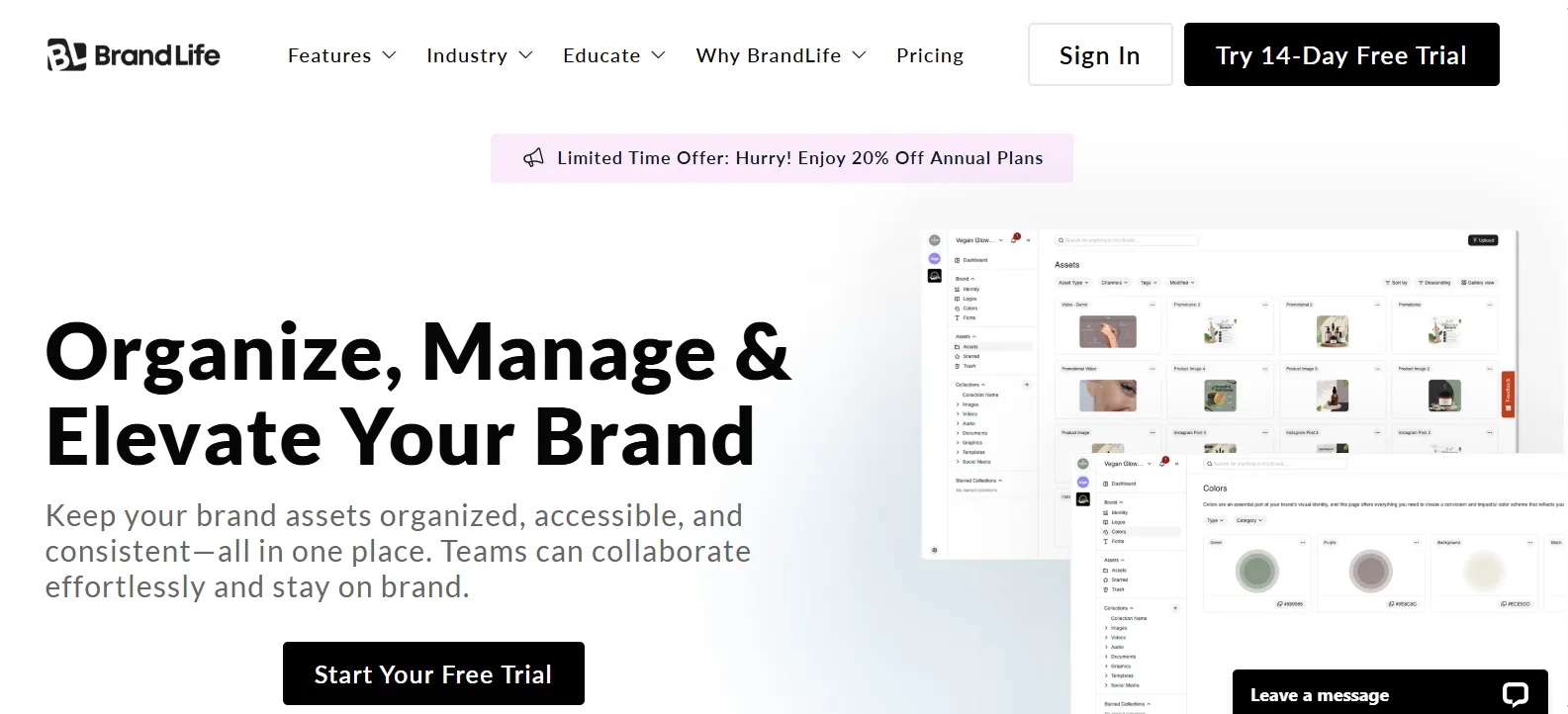
The combination of multi-brand support, visual collaboration tools, and intuitive interfaces makes sophisticated brand management accessible to retail teams without extensive technical training.
Understanding what brand management encompasses in retail environments helps companies evaluate whether their current approaches can scale with business growth or whether specialized brand management platforms would better serve their operational needs.
Ready to Transform Your Retail Brand Management Strategy?
Effective retail brand management has evolved from a marketing function to a business-critical discipline that directly impacts customer loyalty, operational efficiency, and financial performance. As we've explored throughout this guide, the most successful retail brands create systematic approaches to managing their brand across all touchpoints—from physical stores to digital platforms and everything in between.
The greatest challenge most retailers face isn't understanding the importance of brand consistency but implementing the organizational systems, technologies, and processes needed to deliver it at scale. Without structured approaches to brand management, even the best brand strategies deteriorate at the field level, creating disconnected customer experiences that undermine brand equity and business performance.
BrandLife’s comprehensive retail brand management platform addresses these challenges by centralizing brand assets, automating compliance, and enabling teams to execute campaigns faster-without sacrificing quality. Discover how our multi-brand workspace streamlines retail operations while strengthening brand consistency across every location.Book a Demo